
There’s no shortage of articles about classic cars on the internet. Unique barn finds, restoration stories, custom makeovers, auction results — you know the type. Every once in a while, though, you come across something that feels different.
I recently stumbled across an essay that Hagerty published in 2024 by Sajeev Mehta called Visit Your Local Upholstery Shop Before It’s Too Late, and I found myself enjoying it far more than I expected.
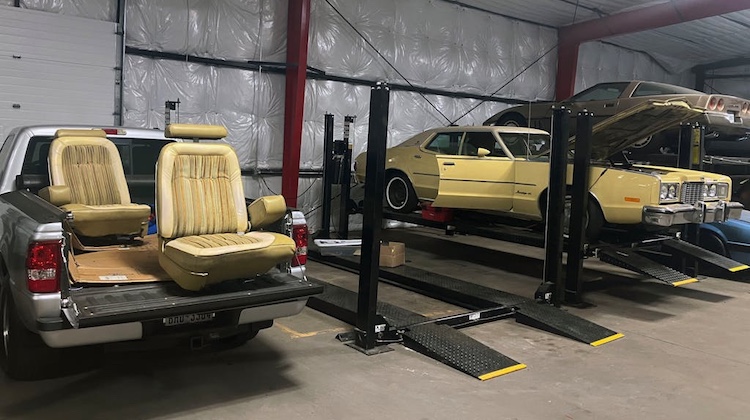
What struck me wasn’t the journalist’s car, a 1974 Mercury Montego MX Brougham with a funky velour interior. It wasn’t even the restoration work, impressive as it was.
What made the piece stand out was the appreciation it showed for the craft of auto upholstery and the people who keep the craft alive.
Mehta’s story centers around a visit to Galvez Upholstery, a small Houston shop operated by Mr. Galvez, an upholsterer whose knowledge, attention to detail, and pride in his work become the real stars of the essay. Anyone who has spent time around experienced trimmers will recognize the type immediately. The person who notices details nobody else sees. The person who knows exactly why a material is wrong even when the color is right. The person who cares enough to restore an interior properly instead of taking shortcuts.
To readers of The Hog Ring, none of this will come as a surprise. We see examples of that dedication every day throughout the industry. Still, it was refreshing to see someone outside the craft take the time to recognize it and write about it so thoughtfully.
I also appreciated that Mehta never turns the story into a deep dive into the history of his car or what it means to him. Instead, he focuses on the experience of bringing a cherished car to someone who possesses a skill set that is becoming increasingly rare. The upholstery work becomes part of a bigger story about craftsmanship, trust, and the satisfaction that comes from seeing a job done right.
And that brings me to what I think is the most important part of the essay.
The title suggests a warning about disappearing upholstery shops, but by the end the piece feels more like a celebration. After Galvez completes the work, Mehta describes being overcome with “a sense of pure, unadulterated joy.” For anyone who has ever watched a customer see their finished vehicle for the first time, that feeling is instantly recognizable.
That’s the value of what upholsterers do.
Yes, we wrap panels, rebuild foam, and sew covers. But the end result is often something much bigger than the physical work itself. It’s preserving memories, restoring comfort, and helping people reconnect with vehicles that matter to them.
If you haven’t read Mehta’s essay yet, I encourage you to do so. I won’t spoil the rest of the story here because it’s worth reading in full. It’s a thoughtful reminder that behind every great interior is a craftsperson whose work often goes unnoticed, and why supporting those craftspeople matters now more than ever.
Read the full story: Visit Your Local Upholstery Shop—Before It’s Too Late
Recent Comments