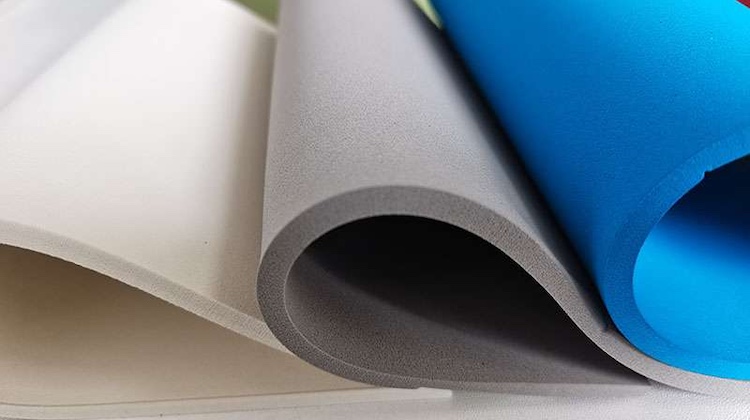
Rising tensions in the Middle East and a major chemical plant fire in Texas are driving up foam prices around the world, according to Furniture Today.
Industry leaders say foam costs are rising quickly and supplies are getting tighter, with some suppliers already announcing double digit price increases and warning that more could be coming soon.
The main problem centers around a chemical called propylene oxide, which is used to make polyurethane foam found in furniture, mattresses, car interiors and other products. A recent fire at a Texas chemical plant reduced production, creating industry wide shortages. At the same time, instability in the Middle East, including the war on Iran, is pushing oil and fuel prices higher. Since foam chemicals are made from petroleum products, higher energy costs are making foam even more expensive to produce.
Michael Faus, senior vice president of Carpenter Co., the industry’s largest foam producer, told Furniture Today this supply chain disruption is more significant than previous ones, like those that followed the Texas freeze in 2021 or Hurricane Katrina in 2005.
“It’s not just a North America issue; it’s a global problem,” said Faus. “Back then, you could go outside the U.S. and bring in a spot buy. In this case, Asia, Europe and Mexico are all dealing with the same issues.”
Carpenter has already raised prices once and expects another round of increases in May. “The reality is, pricing is going up, and there’s another increase coming,” Faus said.
Supplies are also being limited. Manufacturers say some foam suppliers are restricting how much customers can buy in order to stretch available inventory across the market.
“We’re trying to keep allocations steady and consistent,” Faus said.
The rising costs are expected to eventually affect consumers as manufacturers pass along higher expenses for foam, freight and other materials. That could mean higher prices for upholstered furniture, mattresses and related products in the months ahead.
Faus said supply conditions could begin improving within 60 to 90 days if chemical production recovers this summer, but higher prices may stick around longer.
“From a supply standpoint, we’re probably looking at 60 to 90 days of choppy waters,” Faus said. “But from a cost perspective, this will last longer than that.”
Recent Comments